
Winter Running in Ohio: What to Wear at Every Temperature
A simple layering plan for every winter run, from crisp 50 degree mornings to below zero wind chills, plus the shoes and traction that keep you upright on snow and ice.
Dress like it is 15 to 20 degrees warmer than the thermometer says. You should feel a little chilly for the first 10 minutes. Build from three layers: a sweat-wicking base, an insulating middle, and a wind-blocking shell. Then add gloves, a hat, warm socks, and traction once the roads ice over.
Ohio winters are not one kind of cold. One week it is 45 degrees and drizzling. The next it is 12 degrees with lake-effect snow and a wind that finds every gap in your jacket. The runners who keep going all winter are not tougher. They just have a system. Here is ours.
How should I dress for running in cold weather?
Start with the 20 degree rule. Your body heats up fast once you are moving, so dress for a temperature 15 to 20 degrees warmer than what your weather app shows. If you feel comfortable standing in the driveway, you are overdressed. Too many layers means sweat, and wet clothes pull heat away from you the minute you slow down.
Check the "feels like" number, not just the air temperature. Thirty degrees on a calm morning and thirty degrees with a 20 mph wind are two different runs.
The three layers

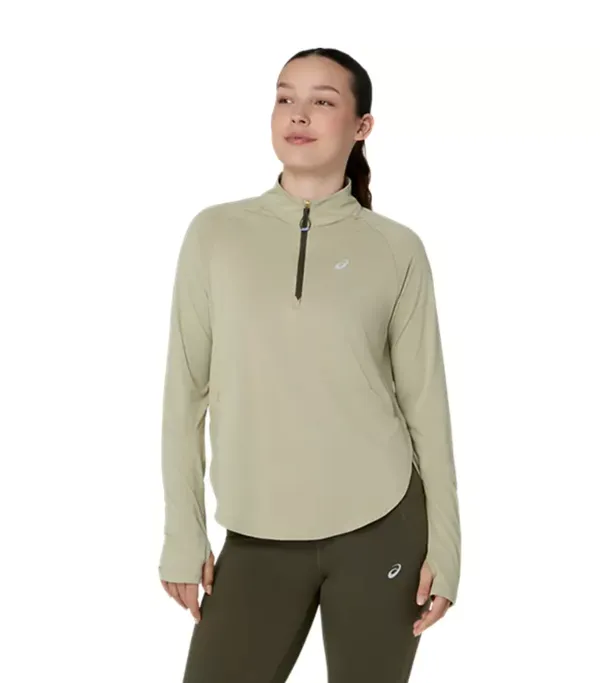
A thermal top or half-zip that traps warmth. Fleece-backed fabrics work well. Add it once temperatures drop into the 20s.
Shop cold weather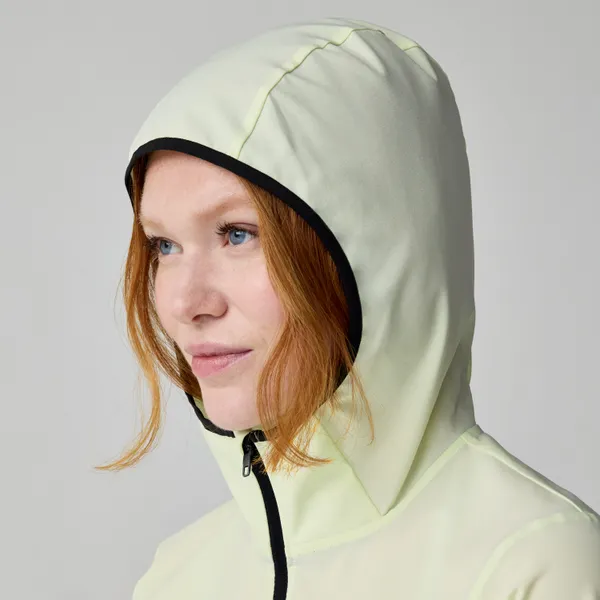
What to wear running at every temperature
Use this as a starting point, then adjust. If you run cold, wear one step warmer. If it is windy or wet, add a shell.
| Feels like | Top | Bottom | Extras |
|---|---|---|---|
| 40 to 50°F | Short or long sleeve tech shirt | Shorts or capris | Light gloves and a headband if it is windy |
| 30 to 40°F | Long sleeve base layer, light jacket if windy | Running tights | Light gloves, headband or light hat |
| 20 to 30°F | Base layer plus thermal mid layer or wind jacket | Thermal tights | Warmer gloves, hat, neck gaiter |
| 10 to 20°F | Base, thermal mid layer, and wind-blocking shell | Thermal tights, wind pants over them if breezy | Mittens or glove liners under mittens, hat, gaiter over your face |
| Below 10°F | Three layers with a windproof shell | Two layers | Cover all skin. Shorten the run or move it inside |
Lay out tomorrow's outfit by the door the night before, gloves and hat on top. The hardest part of a winter run is the first step outside, and one less decision at 6 a.m. makes that step easier.
Walking instead of running? The same layers work. Dress a step warmer than this chart, since walking makes less body heat than running.
What shoes are best for running in snow and slush?
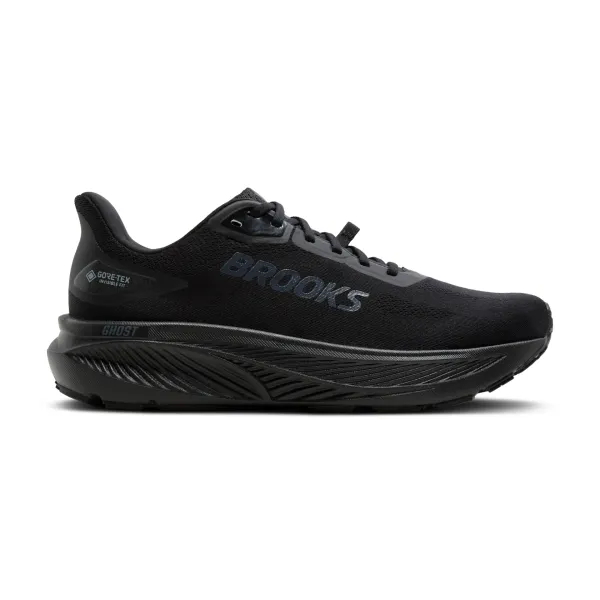
For cold rain, slush, and wet sidewalks, a waterproof running shoe is the biggest upgrade you can make. Shoes labeled GTX use a GORE-TEX membrane that keeps water out while letting your feet breathe, so you finish the run with dry socks. They also block the wind that cuts through regular mesh uppers.
For packed snow and ice, add traction. Slip-on cleats stretch over the shoes you already own. For unplowed paths and snowy trails, the deeper lugs on men's trail shoes and women's trail shoes grip better than a road outsole.
 Recommended gear
Brooks Ghost 18 GTX
The soft, smooth Ghost with a waterproof GORE-TEX upper. Our go-to for slushy road miles and wet winter walks.
Shop Now
Available in men's and women's sizes.
 Recommended gear
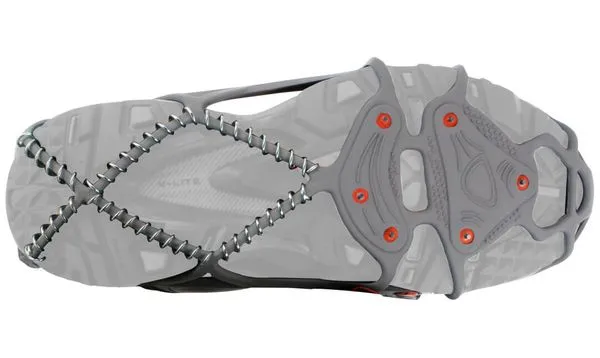
Yaktrax Run
Removable carbide spikes under the forefoot and steel coils under the heel. They stretch over your regular running shoes for packed snow and ice.
Shop Now
How do I keep my hands, feet, and face warm?
Your hands, feet, ears, and face get cold first because your body pulls warm blood toward your core. Protect them and the rest of you feels warmer.
- Hands: light gloves down to about 30 degrees. Below that, mittens keep fingers warmer because they share heat. Browse running gloves.
- Head and ears: a headband in the 30s, a full hat below that. See hats and headwear.
- Face and neck: a neck gaiter you can pull over your mouth and nose takes the bite out of cold air on windy days.
- Feet: merino wool socks stay warm even when damp. Skip cotton socks for the same reason you skip cotton shirts. Shop running socks.
 Recommended gear
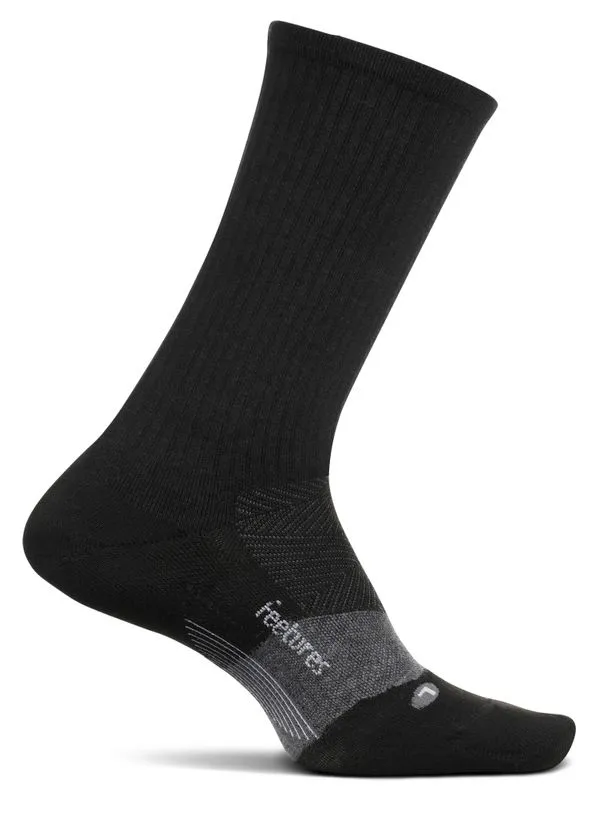
Feetures Merino 10 Max Cushion Crew
A merino wool blend with extra cushion and a crew height that covers the ankle gap between your shoe and tights.
Shop Now
 Recommended gear
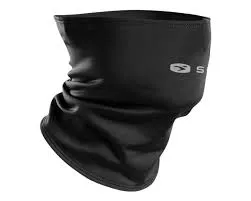
Sugoi MidZero Thermal Tube
A stretchy, fleece-lined tube for your neck and face. Pull it up when you turn into the wind.
Shop Now
How do I stay safe on dark, icy winter runs?
- Be seen. Winter mornings and evenings are dark. Wear bright colors, reflective details, and a light. Shop visibility gear.
- Run into the wind first. Head out against the wind while you are dry, and finish with it at your back so you are not facing it sweaty on the way home.
- Shorten your stride on ice. Quick, short steps with your feet under your hips keep you balanced. Save speed work for clear roads or the treadmill.
- Watch the wind chill. Wind pulls heat from exposed skin fast. At 0°F with a 15 mph wind, the wind chill is -19°F and exposed skin can freeze in about 30 minutes.
- Change right away. Get out of damp clothes as soon as you finish. The chill after a winter run comes from wet fabric, not the run itself.
Frequently asked questions
Is it safe to run in cold weather?
For most healthy runners, yes, as long as you dress in layers, cover your hands, ears, and face, and watch for ice. Use the wind chill, not just the air temperature, to decide how much skin to cover and how long to stay out.
How cold is too cold to run outside?
There is no single cutoff, but once wind chills drop below zero, exposed skin can freeze in about 30 minutes or less. On those days, cover every bit of skin, run a shorter loop close to home, or move the workout to a treadmill.
Do I need waterproof running shoes for winter?
Not for every run, but they help a lot on slushy, wet days. Waterproof GTX shoes keep your socks dry and block cold wind. On dry, cold days, your regular running shoes with warm merino socks work fine.
Can I wear Yaktrax with my regular running shoes?
Yes. The Yaktrax Run stretches over the running shoes you already own. Take them off on bare pavement, where the spikes and coils wear faster and grip less than your shoe's own rubber.
Should I wear cotton when running in the cold?
No. Cotton holds sweat and stays wet, which makes you colder. Choose polyester or merino wool for every layer, including socks.